
To select professional AI hardware, start with the task: train a neural network, fine-tune an existing model, serve inference, or prepare data. A workstation with ample memory can still be limited by software, data movement, or heat. This selection brings together eight products with specific roles, ranging from workstation infrastructure to two standalone platforms.
Motherboard, CPU, RAM, power supply, and SSD form professional infrastructure useful in AI and other disciplines. The GPU provides acceleration when the library utilizes it. Jetson and Ascent GX10 integrate their own processing and are not installed within the TRX50 PC. These eight products do not constitute a list of components with certified mutual compatibility.
Eight products and the function they perform
Scroll to see all columns
| Product | Role | Decisive check |
|---|---|---|
| ASUS Pro WS TRX50-SAGE WIFI A | Motherboard and expansion | CPU, BIOS, RDIMM, and CEB case |
| AMD Threadripper PRO 7975WX | Data processing and preparation | Cooling and platform |
| PNY RTX PRO 6000 Blackwell 96 GB | Professional CUDA acceleration | Memory requirements, software, and 600 W |
| Kingston Server Premier 64 GB HA | System RAM | ECC RDIMM and specific QVL |
| Seasonic PRIME TX-1600 | Power supply | Hardware revision, cables and total system power |
| Kingston DC3000ME 3.84 TB U.2 | Datasets and checkpoints | Host, U.2 NVMe adapter, and power supply |
| Jetson Orin Nano Super 8 GB | AI development at the edge | JetPack, storage, and sensors |
| ASUS Ascent GX10 128 GB / 1 TB | Integrated node for AI development | Arm64, GB10, and shared memory |
Training, fine-tuning, and inference require different resources
In classical machine learning, preparing tables, transforming variables, or running parallel algorithms can heavily depend on CPU and RAM. In deep learning, many operations are offloaded to a GPU. These are categories of work, not guarantees: it’s essential to check how the chosen implementation utilizes system resources.
Training from scratch updates weights from data and requires memory for additional state. The Transformer memory documentation distinguishes weights, optimizer states, gradients, activations, and temporary variables. A file that fits for inference might not fit for training. Batch size, sequence length, precision, and architecture change the budget; here we do not assign universal model sizes to each device.
Fine-tuning adapts a pre-trained model. LoRA keeps the original weights frozen and trains only small matrices, reducing trainable parameters. It does not remove the base model or all activations. QLoRA adds quantization decisions and compatibility. Before purchasing, perform a task using the method, context, and expected quality, and measure peak memory usage.
For inference, also consider concurrency and acceptable latency. A personal assistant has different requirements from a service handling several requests at once. TOPS or PFLOPS quoted at a particular precision cannot be converted directly into tokens per second or training time.
Motherboard and CPU: size the infrastructure
The ASUS Pro WS TRX50-SAGE WIFI A uses sTR5 and four DDR5 ECC Registered slots. Its 305 × 280 mm CEB form factor requires an appropriate case. Check the suffix A: the previous version has differences. Available connections also depend on the processor; M.2_3 and SlimSAS_2 share resources.
The Threadripper PRO 7975WX provides 32 cores and 64 threads of Zen 4. It belongs to the 7000 generation, launched in 2023; it is not the most recent model. I would consider it for data preparation or parallel processing tasks that already justify this platform. More cores do not automatically accelerate a phase limited by GPU or disk.
AMD specifies a 350 W TDP and supplies no cooler. Choose cooling for sTR5 and check BIOS support. Although the CPU supports an eight-channel platform, TRX50 and WRX90 offer different capabilities. This TRX50 board provides four memory channels. Check which PRO features remain available on the chosen platform.
Professional GPU: memory and software come before maximum specs
The PNY VCNRTXPRO6000B-PB is the RTX PRO 6000 Blackwell Workstation Edition with 96 GB GDDR7 ECC. It may be suitable for training, fine-tuning, and inference with CUDA when the dedicated memory of a smaller card proves insufficient. There are Max-Q and Server variants: verifying the 600 W Workstation Edition is part of identifying the correct purchase.
Allow for a two-slot, extended-height card and check its 16-pin power cable, power supply and airflow. PNY calls for at least as much system RAM as GPU memory and recommends twice as much. This alone does not guarantee that a given application fits. NVIDIA’s CUDA guide for Blackwell explains why the included kernels matter. Check extensions, containers and the driver too.
Registered system RAM and GPU memory
The Kingston Server Premier KSM56R46BD4-64HA is a 64 GB DDR5 ECC RDIMM, 2Rx4. It is registered memory for compatible systems, different from UDIMM and SO-DIMM. It is not a four-module kit: plan how many modules you need for the workstation and how to populate its channels.
Its JEDEC specification is 5600 MT/s CL46 at 1.1 V; it does not guarantee this speed on the 7975WX. Check the CPU, BIOS, and the exact motherboard’s QVL. Kingston announced the phase-out of the 64HA and recommends 64MH as a replacement: you must identify the SKU delivered. A single 64 GB module does not meet PNY’s recommended RAM requirement for the 96 GB GPU. RAM does not increase VRAM.
Power supply and SSD: sustaining work and preserving your data
The Seasonic PRIME TX-1600 ATX 3.1 is included for its power output and connectors for a demanding workstation. It is a power supply, with neither acceleration nor redundancy. Seasonic documents a transition from ATX 3.0 with 12VHPWR to ATX 3.1 with 12V-2×6, so identify the revision supplied. Its 210 mm depth requires extra clearance for cables.
Calculate CPU, GPU, motherboard, storage, and transient loads before selecting a 1600 W unit. Nominal capacity does not equate to constant power consumption. A second GPU requires recalculating power and cooling; having free slots does not guarantee that both will fit or that the software will distribute the model effectively.
For storage, the Kingston DC3000ME SEDC3000ME/3T8 offers 3.84 TB nominal in U.2 2.5-inch 15 mm format. It is an enterprise-grade NVMe PCIe 5.0 ×4 drive with documented Gen4 backward compatibility, ideal for datasets and checkpoints. It is not M.2 or SATA: it requires a host, backplane, or U.2 NVMe adapter, cable, and appropriate power supply.
Kingston documents protection against power loss and TCG Opal encryption. These features do not replace backups. Size write operations, capacity, and ventilation according to your workload; the maximum sequential throughput does not describe training time. Having SlimSAS on the motherboard does not certify the U.2 connection path. No SSD adds RAM or VRAM.
Jetson and GX10: two independent paths
The Jetson Orin Nano Super Developer Kit includes an Arm CPU, Ampere GPU, and 8 GB shared LPDDR5. It fits prototyping for vision, sensors, and robotics that perform inference close to the data source. Its limited memory restricts model size, buffers, and concurrent processes; it would not be recommended for training large models from scratch.
Prepare a microSD or NVMe drive and verify firmware and JetPack path: the Super mode requires compatible software. A development kit facilitates experimentation; an industrial deployment requires separate validation of the module, carrier, temperature, peripherals, and maintenance.
The ASUS Ascent GX10 with 128 GB and a 1 TB SSD features the GB10 Grace Blackwell and an Arm CPU. Its unified memory offers a different architecture than the dedicated RTX design. Reserve system space and verify Arm64 versions of libraries and extensions. There are configurations with different SSD capacities: the GX10 name alone does not identify this configuration.
Its ecosystem supports development and inference and allows studying adjustments that fit within memory and software. It does not guarantee complete training of any model. Connecting multiple nodes requires appropriate network and distributed software; it does not automatically add capacity for all applications.
Verifying a professional configuration
Document a reproducible workload with model, precision, batch size, context, data, and versions. Record maximum memory, time, quality, and energy from a representative test. Then request a fully validated configuration with BIOS, QVL, chassis, cooling, and storage connections. The linked specifications provide references or Amazon searches. Confirm vendor, SKU, revision, and availability in the current offer.
If your goal is to chat with local models and expand a conventional computer, start with the hardware guide for local AI with LM Studio. This professional selection makes sense when you can explain which phase of your work limits your setup and what change would allow you to verify that improvement.
Where to find the products in this guide
Valinkey may earn a commission if you shop on Amazon through these links.
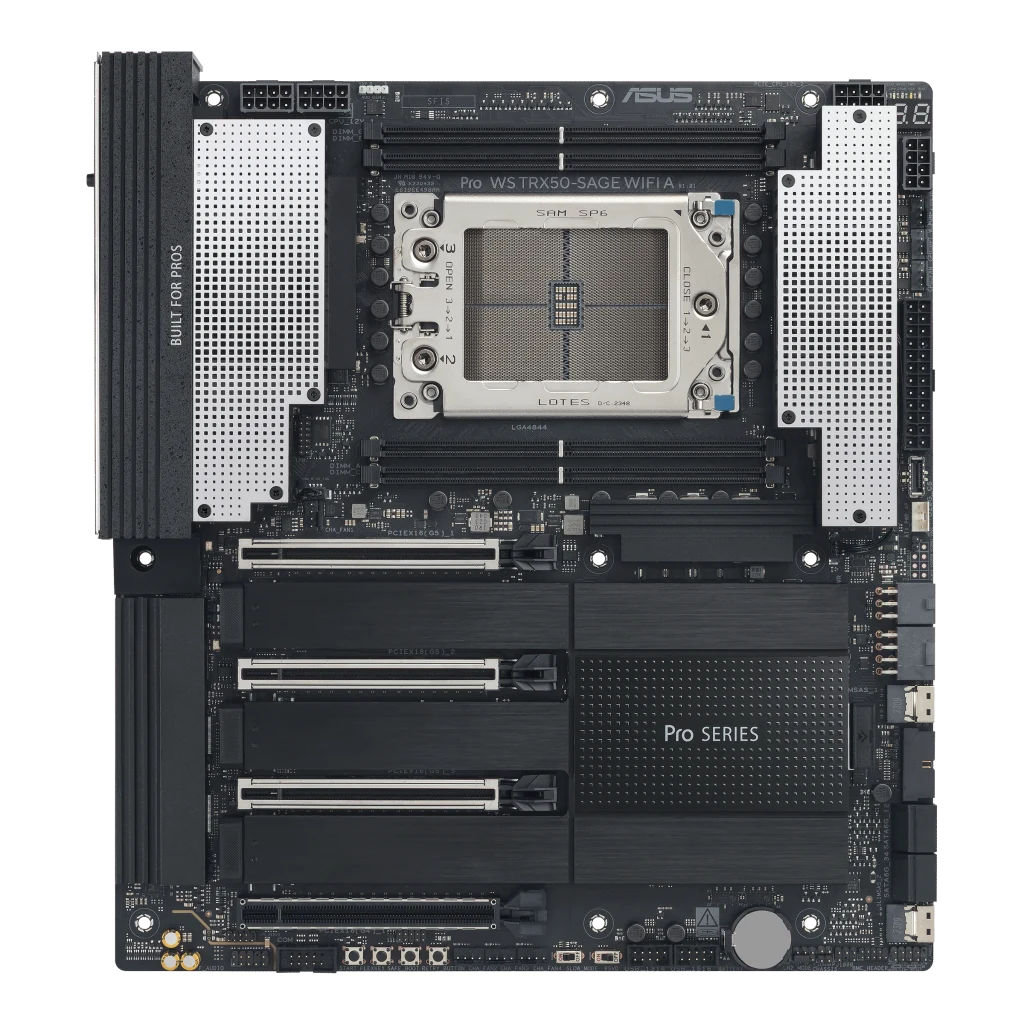
ASUS Pro WS TRX50-SAGE WIFI A
Workstation motherboard with PCIe expansion and RDIMM support for a professional AI system. Validate the components together before building.
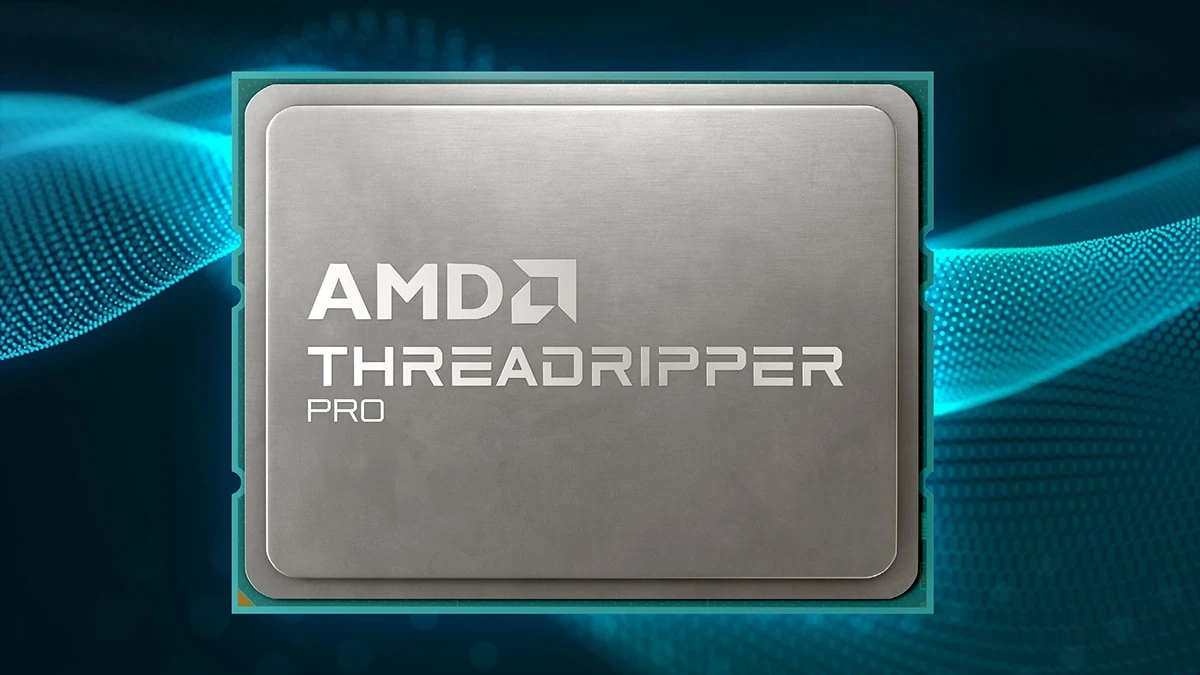
Threadripper PRO 7975WX
Professional CPU for data preparation and parallel workloads. Available memory channels and expansion depend on the motherboard.
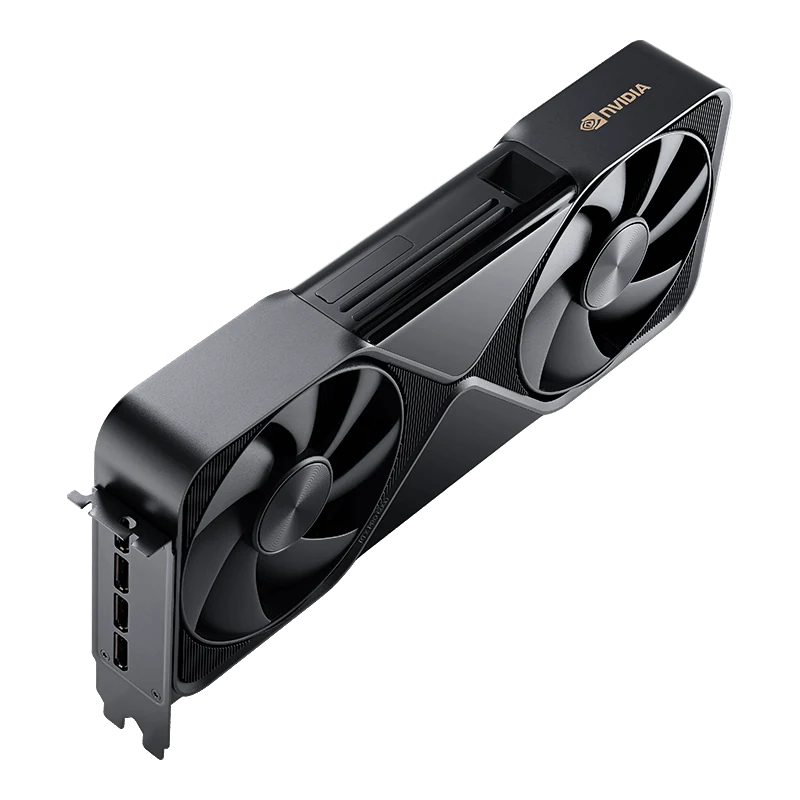
PNY RTX PRO 6000 Blackwell 96 GB
Professional GPU with 96 GB for CUDA workloads that need substantial dedicated memory. Check software, power and cooling requirements.
Kingston Server Premier 64 GB ECC RDIMM
64 GB registered ECC DDR5 module for validated systems. Plan the channel population and total capacity.
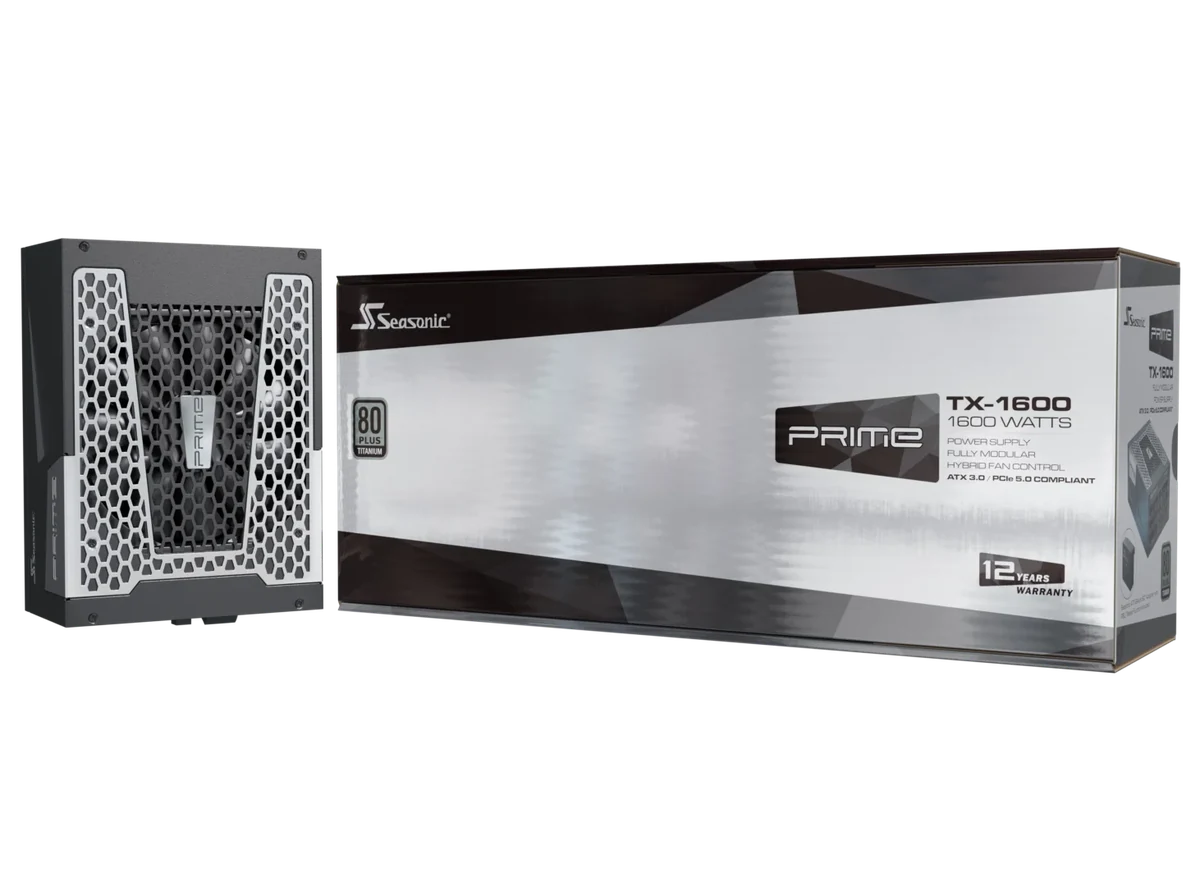
Seasonic PRIME TX-1600 1600 W
Modular power supply for high-demand workstations. Identify the revision and its matching cables before installation.
Kingston DC3000ME 3.84 TB U.2
Enterprise NVMe SSD for datasets and checkpoints, with power-loss protection. Check U.2 connectivity and cooling.

Jetson Orin Nano Super Developer Kit
Standalone platform for edge inference and computer vision with JetPack, sensors and models sized to fit in 8 GB.
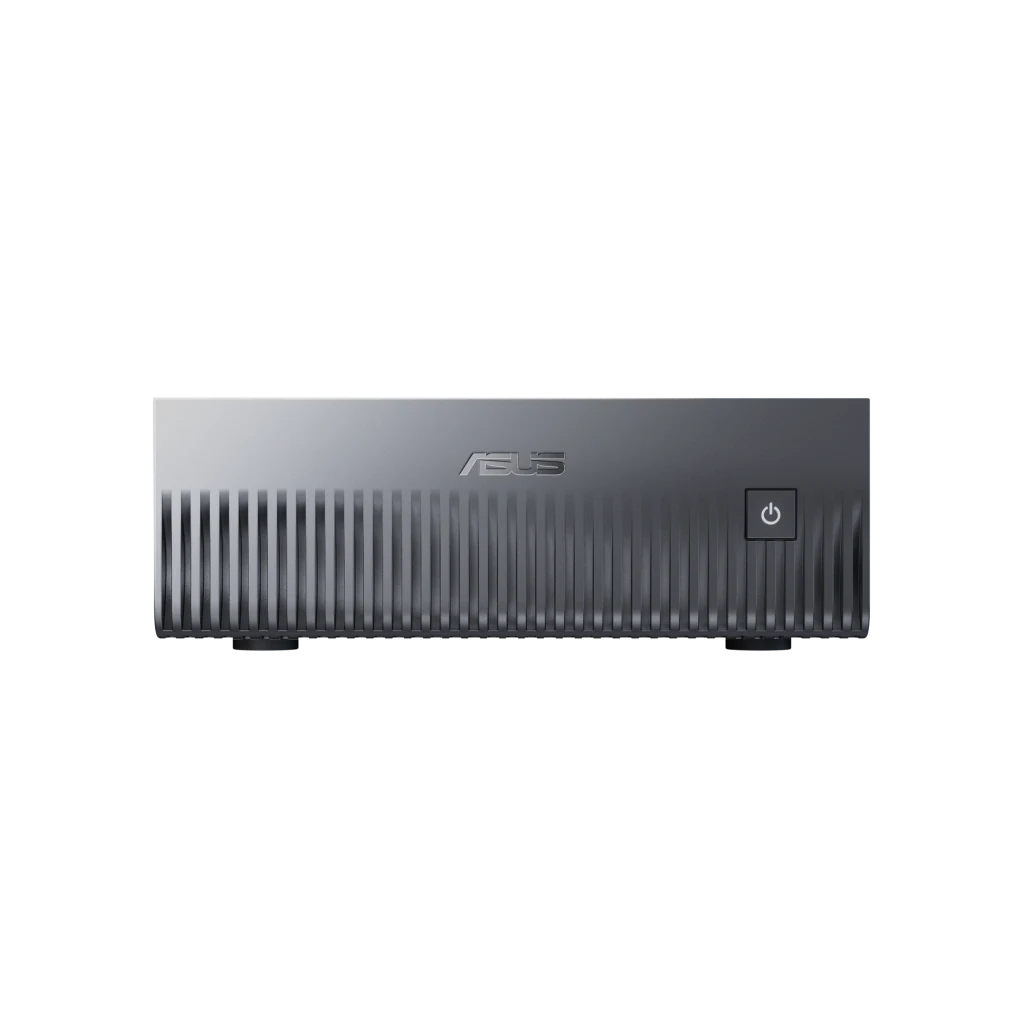
ASUS Ascent GX10 128 GB / 1 TB
Standalone compact system for model development and inference with unified memory. The software must support Arm and GB10.
Check the model, seller and current terms on Amazon.
Sources
- ASUS: Pro WS TRX50-SAGE WIFI A specifications
- AMD: Ryzen Threadripper PRO 7975WX specifications
- AMD: Threadripper PRO 7000 WX and TRX50 platforms
- PNY: RTX PRO 6000 Blackwell Workstation Edition, VCNRTXPRO6000B-PB
- NVIDIA: RTX PRO 6000 Blackwell Workstation Edition data sheet
- Seasonic: PRIME TX ATX 3.1, 1600 W
- NVIDIA: Jetson Orin Nano Super Developer Kit
- NVIDIA: preparing storage for the Jetson Orin Nano Developer Kit
- ASUS: Ascent GX10 platform and unified memory
- ASUS: Ascent GX10 memory and storage specifications
- Hugging Face Transformers: memory used during training
- Hugging Face PEFT: LoRA fundamentals
- NVIDIA: CUDA application compatibility with Blackwell
- Kingston: KSM56R46BD4-64HA data sheet
- Kingston: KSM56R46BD4-64HA phase-out notice and 64MH replacement
- Kingston: DC3000ME specifications and power-loss protection
- Kingston: 3.84 TB model SEDC3000ME/3T8
Sources checked on 25 October 2026.